Spring 2026 rubbish clearance tips for West London gardens
Spring in West London has a way of revealing everything at once. The light comes back, the garden looks a bit brighter, and suddenly the old plant pots, broken fencing, soggy leaves, and forgotten bits of timber are impossible to ignore. If you are planning a garden reset this year, these Spring 2026 rubbish clearance tips for West London gardens will help you clear waste properly, avoid common mistakes, and get the space ready for planting, seating, or a much-needed tidy-up.
This guide is written for real gardens, not perfect magazine layouts. Whether you have a compact courtyard in Kensington, a shared patio in Hammersmith, or a larger family garden in Ealing, the same issues tend to crop up: mixed waste, awkward access, limited storage, and that one pile that keeps growing when nobody is looking. Let's make it manageable.
Why spring garden clearance matters
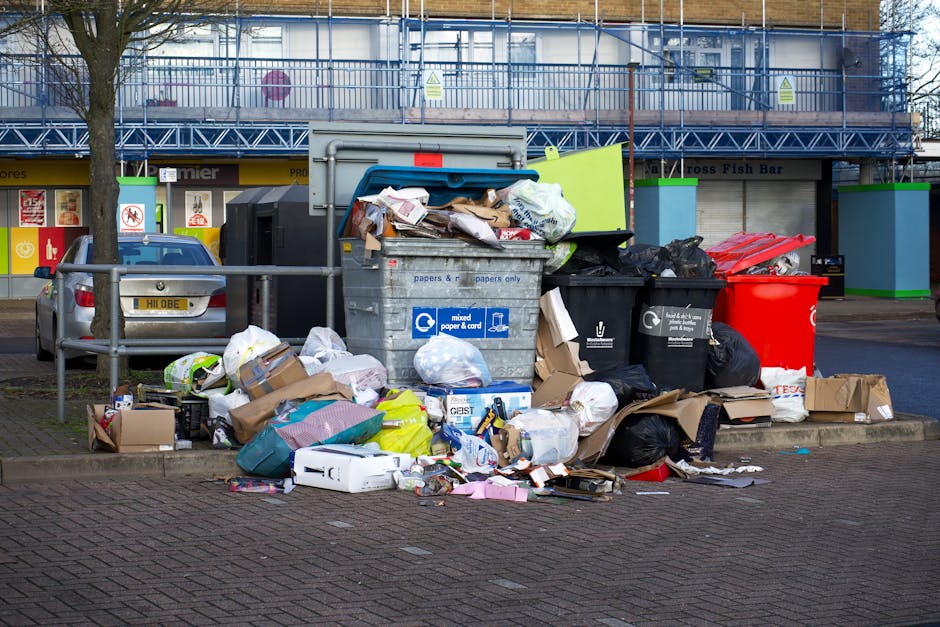
Spring garden clearance is not just about making things look nice for a weekend. In West London, outdoor space is often tight, shared, or carefully designed, so a messy build-up of garden waste can quickly take over. Wet leaves, pruning offcuts, broken planters, old compost bags, and rusting garden furniture all occupy valuable space and can make a garden harder to use than it needs to be.
There is also a timing advantage. When you clear rubbish early in the season, you get a clean start before the main growing surge. That means less frustration when you want to re-seed, add pots, repair raised beds, or just enjoy the first warm evening with the door open. If you leave it too long, the job spreads. What starts as a tidy-up becomes a weekend you'd rather not repeat.
In practical terms, spring is also the best moment to separate garden waste from other household clutter. Old shed contents, damaged outdoor toys, broken barbecue parts, and even a few bits from a recent garage clearance can often be dealt with in the same project if you plan well. That is where a little structure saves a lot of hassle.
Quick takeaway: the earlier you sort and remove unwanted garden waste in spring, the easier it is to keep the rest of the season under control. Simple, but true.
How garden rubbish clearance works
Garden rubbish clearance usually follows a very straightforward pattern: sort the waste, separate reusable items, decide what needs specialist handling, and then remove everything in a way that suits the property and access points. In West London, the access piece matters more than people expect. Side gates are narrow, rear lanes can be awkward, and some gardens sit behind flats or terraces where wheelbarrow access is not exactly generous.
A good clearance plan normally starts with a survey of what is actually there. Garden waste is not all the same. Soft green waste behaves very differently from heavy rubble, broken fencing, old decking, or damp timber. If you mix everything together too early, you make loading harder and disposal less efficient. That is when a simple job starts feeling like a small military operation. Nobody wants that on a Saturday morning.
For many households, the process ends with a targeted garden clearance service that removes the waste in one visit. Others prefer to do part of the job themselves and use rubbish removal for the heavier or more awkward items. Both approaches can work well. The better choice depends on volume, access, and how much lifting you want to do yourself.
Where mixed waste is involved, it often helps to think in categories:
- Green waste: grass cuttings, branches, hedge trimmings, weeds, dead plants, leaves
- Hard garden waste: broken pots, slabs, timber, metal fixtures, old furniture
- General rubbish: packaging, old bags, rusted tools, worn tarps, miscellaneous clutter
- Special items: paint tins, chemicals, pressure-treated wood, sharp metal, anything potentially hazardous
If your garden project is tied to a bigger home refresh, it may be sensible to look at home clearance or house clearance alongside the garden work. That can keep the whole job in one clean sweep instead of stretching it over several half-finished days.
Key benefits and practical advantages
The obvious benefit is a cleaner garden. But there are a few less obvious wins too, and these are the ones people tend to appreciate after the fact.
1. Better use of space. Once old waste is gone, you can actually use the garden again. A little patio suddenly feels like a seating area rather than a storage zone.
2. Easier maintenance. Clear ground is easier to sweep, rake, mow, weed, and plant. You spend less time working around obstacles and more time improving the space.
3. Fewer pests and damp issues. Piles of dead foliage, old timber, and hidden debris can hold moisture and attract pests. Clearing them early reduces those risks.
4. Safer surfaces. Broken glass, nails, cracked pots, and loose slabs are easy to miss when the garden is cluttered. Once cleared, the risks are easier to spot and fix.
5. A better outcome for planting. If you are planning borders, containers, or a lawn refresh, starting with a clear base makes everything simpler. The soil can be assessed properly, and you can see where improvement is actually needed.
There is also a mental benefit, if we are being honest. A cleared garden feels calmer. You notice birdsong more. You open the door and do not immediately clock six jobs you still haven't done. That matters more than people admit.
Who this is for and when it makes sense
This kind of clearance is useful for a wide range of people, not just keen gardeners. In fact, some of the most common jobs come from people who simply want their outdoor area back.
- Homeowners dealing with post-winter mess and pruning waste
- Landlords preparing a property for new tenants
- Tenants leaving a flat with a neglected patio or yard
- Families clearing broken outdoor toys, garden furniture, or old storage items
- Older residents who want the garden made safer and easier to maintain
- People starting landscaping or planting projects
- Anyone facing a mix of garden waste and household clutter in one go
It makes sense when the amount of waste has outgrown what you can handle on your own, or when the waste is too heavy, too mixed, or too awkward for standard bin collections. If you are standing there thinking, "I can probably do this, but not all of it, and not this weekend," that is usually the point where a proper clearance plan becomes valuable.
It also makes sense after weather damage. West London gardens often take a beating from winter winds, and spring reveals what has been hidden under leaves and branches. Bent fencing, split trellis, and damaged planters are common once the frost has gone.
Step-by-step guidance
Here is a practical approach that works well for most West London gardens. It is not fancy, just effective.
- Walk the garden before touching anything. Look for obvious hazards, trip points, sharp waste, and hidden heavy items.
- Split the waste into piles. Keep green waste, hard waste, general rubbish, and reusable items separate from the start.
- Pull out anything worth keeping. A surprising amount of "rubbish" is actually reusable. Good pots, usable timber, intact tools, and decent outdoor furniture are worth checking first.
- Bag or bundle light waste. Leaves, weeds, and small trimmings are easier to move if they are contained.
- Break down large items. Flat-pack what you can. Remove legs from chairs, cut branches to manageable lengths, and separate materials where safe to do so.
- Set aside anything specialist. Paints, oils, treated wood, and similar items should not be treated as ordinary garden rubbish.
- Load from the far end first. That saves you from carrying waste past already-cleared sections twice. A small thing, but it helps.
- Finish with a final sweep. Check corners, under benches, along fence lines, and behind sheds. The missed bits are nearly always in those places.
If the job includes bulky outdoor items, such as old seating or a weather-worn sofa placed in a conservatory or garden room, a dedicated sofa removal service can save a lot of lifting. Likewise, if the whole space has become a mixture of garden clutter and random household overflow, a broader rubbish clearance visit may be the better fit.
Expert tips for better results
After many clearance jobs, a few patterns show up again and again. The people who get the best result usually do the small things well.
Clear in layers, not all at once. Start with the top layer of visible waste, then move to what was hidden underneath. You will spot broken items, rot, and forgotten debris more easily that way.
Use tarps or sheets for staging. If the garden is muddy or narrow, putting waste onto a tarp before moving it can save time and reduce mess. Sounds minor, but it keeps the whole place from looking worse halfway through the job.
Check drainage areas before you begin. Gutters, gullies, and channel drains in gardens often collect leaves and grit. Clearing them while the space is open avoids later blockages.
Think about the next six weeks. If you only clear what is visible today, you may end up repeating the task in May. If you are already lifting items, it is often worth dealing with the "almost useless" stuff too.
Match the method to the waste. Green cuttings are not the same as bricks or timber. A mixed-load approach is fine if handled properly, but trying to squeeze every item into one bin bag is not the way. Not unless you enjoy back pain and regret.
Keep one small pile for decisions. Put uncertain items in a separate area. That way you do not stall the whole job because you are debating whether a cracked pot has "character." We have all been there.
If you are clearing part of a larger property, pairing the garden work with furniture disposal or waste removal can streamline the day and avoid duplicate trips.
Common mistakes to avoid
The biggest mistakes are usually practical, not dramatic. They come from underestimating the job or mixing the wrong materials.
- Leaving sorting until the end. Once everything is in one pile, the job becomes slower and more frustrating.
- Assuming all garden waste can go together. That is not always safe or sensible, especially where timber, rubble, and chemicals are involved.
- Ignoring access issues. A clear front path and open gate sound obvious, but they make a huge difference when moving waste.
- Overfilling bags. It is tempting to be efficient. Then you try to lift the bag and realise it has other ideas.
- Not checking for hidden hazards. Rusted nails, broken glass, and sharp metal often sit underneath leaves or old boards.
- Forgetting that some items need separate handling. Paint tins, treated wood, and similar materials should be treated carefully.
- Trying to do too much in one pass. Sometimes the best result comes from one focused session rather than a marathon day that ends in frustration.
Another common mistake is doing the clearance before deciding what the garden should become next. If you know you want raised beds, a seating area, or a simple lawn rebuild, the clearance should support that plan. Otherwise you may remove things you could have used, or keep waste that should have gone.
Tools, resources and recommendations
You do not need a shed full of specialist gear, but the right basics make a clear difference.
- Heavy-duty gloves for brambles, broken pots, and hidden sharp edges
- Rake and leaf grabbers for loose debris and seasonal leaf fall
- Pruning shears or loppers for cutting branches down to size
- Strong bin bags or rubble sacks for controlled lifting
- Tarpaulin for staging waste in a tight garden
- Wheelbarrow or sturdy tub if access allows it
- Broom and dustpan for final clean-down on patios and paving
For people who want a faster outcome, it is often useful to compare a DIY lift-and-load approach with a professional collection. A dedicated rubbish collection option suits lighter, more contained loads, while larger mixed outdoor clearances are better handled through a broader waste collection or disposal service.
One practical recommendation: keep a separate small container for screws, nails, blades, and other sharp fragments. It sounds fiddly, but it protects you, and it protects anyone else coming into the garden later. Especially children, pets, or the poor soul who comes to cut the grass after you.
Law, compliance and best practice
Garden rubbish clearance in London should be handled carefully and responsibly. While everyday domestic garden waste is usually straightforward, it still needs to be managed in line with normal waste duty expectations. In plain English: you should know where the waste is going, avoid fly-tipping, and separate anything that needs different handling.
Do not assume that every item from a garden can be treated as general rubbish. If you have chemicals, solvents, treated timber, gas canisters, or similar materials, they may need specific handling or an alternative disposal route. The same is true for certain demolition leftovers from garden projects, such as concrete or paving fragments. A little caution here prevents bigger problems later.
It is also best practice to keep waste out of public spaces, shared hallways, and pavements for longer than necessary. In dense West London streets, that matters. A neat, well-managed load is safer for neighbours, pedestrians, and the crew doing the lifting. If you are running a larger property or commercial outdoor space, a separate business waste approach may be more appropriate than a domestic one.
For transparency and peace of mind, many people also like to choose providers that clearly explain what they take, how they sort it, and how they handle disposal. If you want to understand the wider approach behind the service, the about us page can be a useful place to start.
Options and comparison table
Different gardens need different solutions. A small patio with a few sacks of leaves is not the same job as a back garden full of old fencing and broken furniture. Here is a simple comparison to help you decide.
| Option | Best for | Pros | Watch-outs |
|---|---|---|---|
| DIY bagging and local disposal | Light green waste and small tidy-ups | Low cost, flexible timing | Time-consuming, physical, limited capacity |
| Mixed waste collection | Gardens with a blend of green waste and general rubbish | Efficient, less lifting, good for awkward loads | Needs clear sorting and access planning |
| Full garden clearance | Overgrown or heavily cluttered gardens | Fast reset, ideal before landscaping | May be more than you need for a small job |
| Combined home and garden clearance | Big declutters with indoor and outdoor overflow | One visit can clear a lot of space | Requires better planning and prioritisation |
For some properties, the best outcome is a combination of services. A cluttered shed might fall under garage clearance, while garden seating, broken patio furniture, or old indoor pieces moved outside may need furniture disposal. Matching the method to the waste saves time and avoids confusion.
Case study or real-world example
A typical spring job in West London might look like this: a terraced house garden in Chiswick, about the size of a modest parking space and a half, with pruning waste, four damaged planters, an old rattan chair, two bags of wet leaves, and some timber offcuts from a raised-bed repair. Nothing outrageous. Just enough to feel annoying every time the back door opens.
The owner had started by moving the obvious items into one corner, which helped, but the waste had become mixed. The chair was tangled in cuttings, the timber had nails in it, and the leaves had soaked through one bag and spread across the paving. So the first sensible step was to separate everything again before lifting. A small reset, then the rest flowed more smoothly.
The green waste was bagged separately, the timber was bundled safely, and the rattan chair was removed intact. The broken planters were checked for sharp fragments, and the paving was swept at the end. The final result was not glamorous, but it was genuinely useful: room for pots, a clean path to the shed, and enough space to plan the next stage without tripping over last year's leftovers.
That is usually the point of good clearance. Not perfection. Usability.
Practical checklist
Use this checklist before and during the job. It keeps the day from drifting.
- Walk the garden and note hazards
- Separate green waste from hard waste
- Pull out reusable items before disposal
- Bundle branches and break down safe bulky items
- Keep sharp or questionable materials in a separate pile
- Check access routes, gates, and loading space
- Prepare gloves, sacks, tools, and a tarp
- Plan whether a single service or mixed clearance is better
- Finish with a sweep of paving, borders, and corners
- Decide what the garden will be used for next
Useful reminder: if you are already organising a bigger declutter, it may be worth reviewing waste disposal and waste clearance options together, because the combined approach can be much smoother than splitting everything into separate jobs.
Conclusion
Spring 2026 is a good moment to reset West London gardens properly. Once the heavy winter mess is gone, the whole space feels lighter, and you can actually see what needs attention. That alone makes the effort worthwhile. The main thing is to sort first, lift safely, and choose the right clearance route for the type and volume of waste you have.
If your garden is small and the waste is light, a tidy DIY approach may be enough. If the space is overgrown, mixed, or full of awkward items, a structured clearance saves time and stress. Either way, the goal is the same: a safer, cleaner, more usable outdoor space that feels like part of the home again.
And honestly, that first proper cup of tea in a cleared garden on a mild spring afternoon? Worth it.
Get a free quote today and see how much you can save.
Frequently Asked Questions
What is the best way to clear garden rubbish in spring?
The best way is to sort the waste first, separate green waste from heavier items, and decide whether you can manage it yourself or need a dedicated collection. Starting with sorting usually makes the rest of the job much easier.
Can I mix green waste with other rubbish?
Sometimes, but it is usually better not to. Mixing can make loading and disposal less efficient, and some materials need different handling. Separate green waste, hard waste, and anything potentially hazardous where possible.
How do I know if I need professional garden clearance?
If the waste is too heavy, too bulky, or too mixed to handle safely, professional help makes sense. It also helps if access is tight, the garden is overgrown, or you simply do not have the time to do it properly.
What garden items are most commonly forgotten during clearance?
People often miss broken pots, cracked edging, rusted tools, old ties, damaged planters, and debris hidden under benches or behind sheds. The corners are where the surprise mess lives.
Is it worth clearing the garden before landscaping work?
Yes, definitely. Clearing first lets you see the real condition of the space and helps landscaping work go more smoothly. It also prevents wasted effort if old items would have blocked the next phase anyway.
What should I do with old garden furniture?
If it is still usable, consider keeping or donating it. If it is broken, weather-damaged, or unsafe, it should be removed as bulky waste. A furniture-specific disposal option can be helpful when the items are large or awkward.
Do I need to separate treated wood or painted items?
Yes, it is best practice to keep treated wood, painted timber, and similar materials separate from ordinary green waste. They may need different disposal handling, so do not assume they can go in the same pile.
How do I keep a small West London garden from becoming cluttered again?
Set a simple routine: prune little and often, bag leaves before they spread, and avoid turning the garden into long-term storage. A short monthly tidy-up usually prevents the bigger spring headache.
Can a garden clearance include shed or garage overflow?
Yes, if the waste is part of the same declutter and the access works. Many jobs include mixed outdoor storage items, and sometimes a linked garage or shed clearance makes the whole project more efficient.
What is the quickest way to prepare for a rubbish clearance visit?
Give clear access, group similar items together, and remove anything you want to keep before the visit. A little preparation saves time and helps the collection go smoothly.
Are there any items from a garden I should treat with extra care?
Yes. Paint tins, chemicals, sharp metal, broken glass, gas canisters, and treated wood all deserve extra caution. If you are unsure about an item, keep it separate until you can confirm the safest way to handle it.
What areas of West London usually need the most spring garden clearance work?
It varies, but smaller gardens and shared outdoor spaces often need the most careful clearing because waste builds up quietly. Tight access in places like terraces and mews-style properties can also make the job more time-consuming than it first appears.
Where can I learn more about wider waste and clearance services?
If you are dealing with more than just the garden, it can help to review related options such as rubbish removal, waste removal, and other clearance services that fit the scale of your project.